русский


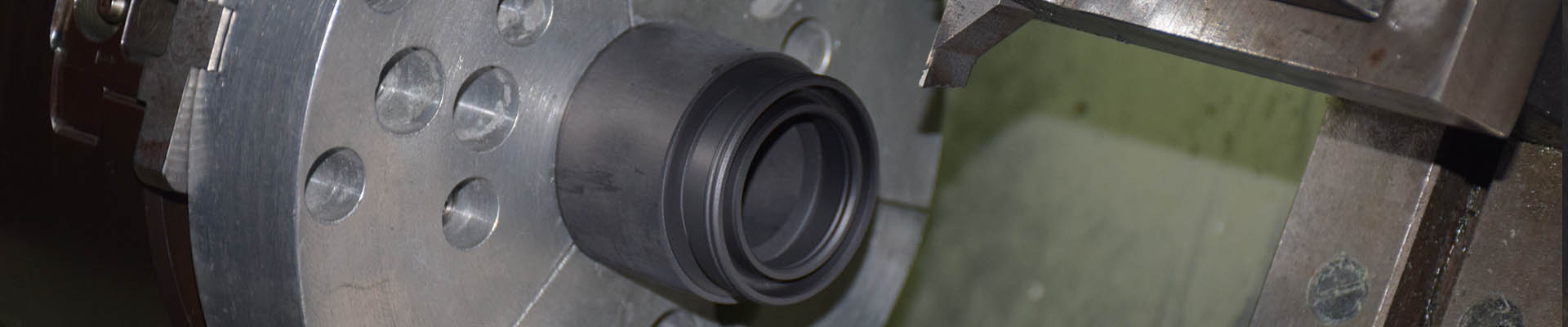
Почему качество поверхности имеет решающее значение для эффективности полимерного уплотнения?
Отделка поверхности является решающим фактором полимерное уплотнение Производительность напрямую влияет на эффективность уплотнения, трение и долговечность. В отличие от более мягких эластомеров, которые могут принимать форму шероховатых поверхностей, большинство полимерных материалов более твердые и требуют особой текстуры поверхности для создания надежного и долговечного уплотнения.
Основные причины, по которым качество поверхности имеет значение:
Ключевые параметры, которые следует учитывать
Хотя средняя шероховатость (Ra) является распространённым показателем, он не отражает всей картины. Другие важные параметры включают:
Rz: Средняя глубина шероховатости, которая определяется средней разницей высот между самыми высокими пиками и самыми низкими впадинами.
Складка: Направление преобладающего рисунка поверхности (например, линейный или решётчатый). Отделка с линейной складкой, параллельной направлению движения при возвратно-поступательном движении, с большей вероятностью создаст пути утечки, чем с решётчатым рисунком.
Твёрдость: Твёрдость сопрягаемой поверхности также является важным фактором. Обычно рекомендуется использовать твёрдую поверхность (например, 40–60 единиц по шкале Роквелла C), чтобы предотвратить повреждение оборудования уплотнителем, но это ещё больше повышает качество исходной обработки поверхности.
В конечном счете, идеальная отделка поверхности для применения полимерного уплотнения — это определенный диапазон, который необходимо тщательно выбирать на основе материала уплотнения (например, ПТФЭ или эластомер), того, является ли применение статическим или динамическим, а также типа уплотняемой среды (газ, жидкость и т. д.).
Общие рекомендации по отделке поверхности
|
Применение / Материал |
Типичный рекомендуемый диапазон Ra |
|
Эластомерные (резиновые) уплотнения |
|
|
Полимерные (ПТФЭ и т.д.) уплотнения |
|
|
Уплотнительные газы / Криогеника |
Очень хорошо, как и низко
|
|
Обычно может выдержать немного более грубую отделку, чем динамические уплотнения |
Подводя итог, можно сказать, что выбор правильной обработки поверхности — важнейший инженерный фактор. Речь идёт не только о том, чтобы деталь выглядела привлекательно, но и о создании точной микроскопической среды, необходимой для достижения полимерным уплотнителем максимальных эксплуатационных характеристик и долговечности.
Новый блог


Для Запросы о наших продуктах или прерывании, пожалуйста, оставьте нам, и мы будем на связи в течение 24 Часы.


 No. 1, Xinyu North Road, Ningxi Street, Zengcheng District, Guangzhou, China 511340
© Авторские права: 2026 Guangzhou JST Seals Technology Co., Ltd. Все права защищены.
Сканировать в WeChat