русский


Уплотнение FS Seal и P Seal: в чем разница в применении в устьевом оборудовании скважин?
В системах устьевого оборудования нефтяных и газовых скважин выбор правильного уплотнительного решения имеет решающее значение для поддержания целостности давления и долгосрочной эксплуатационной безопасности. Два уплотнительных изделия, часто используемых в колонных головках и трубных головках, — это FS Seal и P Seal. Хотя оба предназначены для статического уплотнения в устьевом оборудовании, они разработаны для различных условий уплотнения и требований к монтажу.
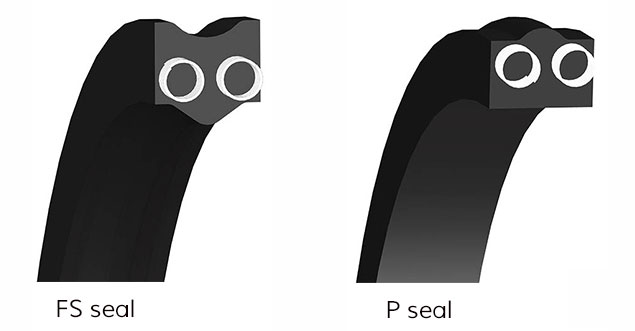
В этом руководстве объясняются ключевые различия между FS Seals и P Seals, что помогает инженерам и производителям оборудования выбрать наиболее подходящее решение для применения в устьевом оборудовании.
Что такое FS Seal?
FS Seal — это статическое уплотнение, предназначенное для устьевого оборудования, где поверхность обсадной колонны может иметь относительно грубую обработку или большие размерные допуски. Оно создает надежное уплотнение за счет сочетания сжатия эластомера с уплотнением, усиленным давлением, что позволяет компенсировать неровности поверхности при сохранении герметичности в условиях высокого давления.
FS Seals обычно устанавливаются в:
Их способность адаптироваться к несовершенным уплотнительным поверхностям делает их предпочтительным вариантом для многих стандартных применений устьевого оборудования.
Что такое P Seal?
P Seal — это уплотнение устьевого оборудования с активацией давлением, специально разработанное для герметизации кольцевого пространства между обсадной колонной и корпусом устьевого оборудования. Оно состоит из эластомерного уплотнительного элемента в сочетании с противоэкструзионными опорными кольцами, которые могут изготавливаться из сетчатой нержавеющей стали или цельной углеродистой стали в зависимости от применения.
После подачи давления герметика эластомер расширяется к уплотнительным поверхностям, а опорные кольца предотвращают выдавливание при высоком перепаде давления.
P Seals обычно устанавливаются в нижней зоне уплотнения колонной катушки или трубной головки для обеспечения резервного уплотнения между кольцевым пространством обсадной колонны и фланцевым соединением.
FS Seal и P Seal: ключевые различия
|
Характеристика |
FS Seal |
P Seal |
|
Основная функция |
Статическое уплотнение устьевого оборудования |
Статическое уплотнение с активацией давлением |
|
Типичная установка |
Колонные головки, трубные головки |
Нижняя зона уплотнения колонной катушки или трубной головки |
|
Принцип уплотнения |
Сжатие и уплотнение с помощью давления |
Нагнетание герметика активирует эластомер |
|
Допуски поверхности |
Разработано для грубых поверхностей обсадной колонны |
Разработано для уплотнения грубой поверхности обсадной колонны с помощью нагнетаемого герметика |
|
Конструкция против выдавливания |
Доступна в зависимости от конструкции |
Стандартная конструкция включает опорные кольца |
|
Возможность работы при высоком давлении |
Отлично |
Отлично, особенно в применениях HPHT |
|
Типичные применения |
Стандартная герметизация устьевого оборудования |
Резервная герметизация устьевого оборудования и критически важные барьеры давления |
Хотя оба уплотнения используются в аналогичном оборудовании, их механизмы герметизации и методы установки различаются.
Какое уплотнение лучше работает при высоком давлении?
Оба решения для герметизации подходят для работы нефтепромыслового оборудования при высоком давлении, но они решают задачу воздействия давления разными способами.
Уплотнение FS Seal использует механическое сжатие в сочетании с системным давлением для повышения эффективности герметизации. По мере увеличения внутреннего давления уплотнение плотнее входит в контакт с сопрягаемыми поверхностями.
Уплотнение P Seal, однако, активируется герметизирующим составом. Вводимый герметик активирует эластомер, а встроенные опорные кольца обеспечивают высокую устойчивость к выдавливанию. Такая конструкция делает P Seal особенно эффективным в применениях, требующих резервного уплотняющего барьера при чрезвычайно высоком давлении.
Чем отличаются требования к установке?
Установка является ещё одним важным различием между двумя конструкциями.
Уплотнения FS Seal устанавливаются во время сборки устьевого оборудования и начинают герметизировать сразу благодаря контролируемому сжатию.
Уплотнения P Seal требуют впрыска герметика после установки. Этот дополнительный процесс активации позволяет уплотнению компенсировать большие зазоры и сохранять эффективность герметизации даже при изменении рабочих условий со временем.
Из-за этого различия P Seals часто выбирают, когда операторам требуется дополнительный уровень надёжности герметизации.
Какое уплотнение следует выбрать?
Выбор зависит от рабочих условий и конструкции оборудования.
Уплотнение FS Seal обычно предпочтительно, когда:
Уплотнение P Seal часто является лучшим выбором, когда:
В конечном итоге подходящее решение следует выбирать на основе конфигурации оборудования, номинального давления, конструкции канавки для уплотнения и применимых спецификаций API.
Изготовленные на заказ уплотнения FS и P для устьевого оборудования
В JST Seals мы производим как уплотнения FS Seal, так и P Seal для устьевого оборудования API. Наши решения для герметизации разработаны для сложных условий нефтегазовой отрасли, где важны целостность под давлением и длительный срок службы.
Мы предлагаем:
Независимо от того, требуется ли вам стандартная замена или индивидуальное решение для герметизации, наша инженерная команда поможет подобрать подходящее уплотнение для ваших рабочих условий.
Часто задаваемые вопросы
Взаимозаменяемы ли уплотнения FS Seal и P Seal?
Нет. Хотя оба типа используются в устьевом оборудовании, они имеют разные конструкции уплотнения, методы активации и требования к установке. Их следует выбирать в соответствии с исходной конструкцией оборудования и условиями эксплуатации.
Какое уплотнение лучше подходит для неровных поверхностей обсадной колонны?
Обе конструкции способны герметизировать шероховатые поверхности обсадных труб. Уплотнения FS компенсируют неровности за счет своего уплотняющего профиля и сжатия, а уплотнения P используют закачиваемый герметик и опорные кольца для поддержания эффективности герметизации.
Почему в уплотнении P используются опорные кольца?
Опорные кольца предотвращают выдавливание эластомера в зазоры под высоким давлением, повышая стабильность уплотнения и продлевая срок службы.
Можно ли адаптировать оба уплотнения под заказ?
Да. Уплотнения FS и P можно адаптировать под заказ по размеру, материалу эластомера и конфигурации опорных колец в соответствии с конкретными требованиями к устьевому оборудованию и условиям эксплуатации.
Новый блог


Для Запросы о наших продуктах или прерывании, пожалуйста, оставьте нам, и мы будем на связи в течение 24 Часы.


 No. 1, Xinyu North Road, Ningxi Street, Zengcheng District, Guangzhou, China 511340
© Авторские права: 2026 Guangzhou JST Seals Technology Co., Ltd. Все права защищены.
Сканировать в WeChat